Responding to Sustainable Development Goals (SDGs)
Wistron, based on the “Business Reporting on the SDGs” report published by the United Nations and GRI, identifies seven sustainable development goals as relevant to Wistron’s sustainability vision and philanthropic strategy through the SDGs’ five-step process. In terms of philanthropic strategy, we prioritize focusing on several SDGs, including SDG 1: No Poverty, SDG 3: Good Health and Well-being, SDG 4: Quality Education, SDG 6: Clean Water and Sanitation, SDG 9: Industry, Innovation, and Infrastructure, SDG 15: Life on Land, and SDG 17: Partnerships for the Goals. We strive to apply innovative technologies to actively promote various sustainability goals.
Wistron Foundation
Since its establishment in 2010, the Wistron Foundation has focused on “environmental sustainability” and “humanistic development” as its strategic core, embodying the philosophy of “mutual benefit through altruism.” The Foundation is committed to fostering harmony between people and nature by strategically partnering with like-minded charitable organizations and promoting long-term, diverse collaborations in the fields of environmental protection and cultural enrichment. Our key areas of focus include “habitat conservation” and “humanistic education.” We also leverage innovative media, such as high-quality documentaries and radio programs, to amplify our social influence. To ensure alignment with the Foundation’s mission, we have established a sound governance mechanism and regularly report project plans and implementation results to the Board of Directors. In 2025, we successfully launched over 29 projects, demonstrating our strong commitment to sustainable development.
- In 2025, over 29 projects were implemented.
Employees’ Impact
Guided by its vision of “Sustainability through Innovation,” Wistron upholds four core values: Customer Focus, Integrity, Innovation, and Sustainability. We actively respond to societal needs by partnering with volunteers and stakeholders to protect the environment while strengthening collaboration among industry, government, academia, and research institutions. Employees are encouraged to apply their professional expertise and R&D capabilities to create positive social impact. Through these efforts, we hope that every Wistron employee is empowered to transform personal values into a force for social good.
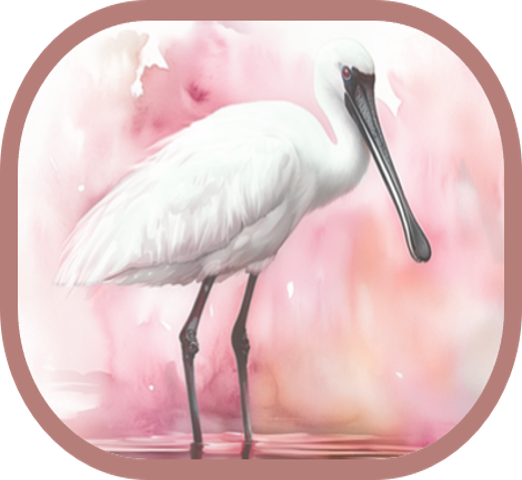
In environmental conservation, the Wistron Foundation integrates internal volunteer resources to promote the Wistron volunteer program. In 2025, the foundation organized ten working holidays activities. Volunteers committed to ecological conservation efforts at Shuanglianpi in Yuanshan Township, Yilan County. Their tasks included building shelters, removing invasive species, rehabilitating endangered aquatic plants, and managing eco-friendly farmlands. The Foundation also supported freshwater fish restoration and waterbird habitat conservation initiatives at Guandu Nature Park in Taipei. In addition, volunteers participated in the Guandu International Nature Art Festival, where 52 employee volunteers collaborated to create The Floating Pulse, a six-meter-tall land art installation. In total, 276 volunteer participations were recorded throughout the year, contributing 2,204 volunteer hours and demonstrating Wistron employees’ commitment to environmental sustainability.