Occupational Safety and Health Policy and Targets
As one of the leaders of the global ICT industry, Wistron strives to become a world-class enterprise by ensuring a healthy and injury-free working environment, reducing impacts and risks to stakeholders through the following commitments and actions. Through a top-down policy communication approach, we appoint dedicated units to supervise the occupational safety and health management of each site and carry out occupational safety and health management activities. In accordance with the Company’s occupational safety and health policy, each plant sets its own performance targets. The overall goal of the Company is to achieve zero significant occupational incidents (where a significant occupational incident is defined as a fatal accident)
Wistron not only maintains a safe and healthy workplace environment for employees, but also continuously strives to identify and mitigate potential occupational safety and health risks.


The Company's overall targets: 0 major work safety incidents
Occupational health and safety management system
Wistron’s plants leverage ISO 45001 OHS Management System to maintain effective operations. Through education, training, promotion, and drills, the company ensures that all stakeholders have a clear understanding of their safety and health obligations and rights. This proactive approach aims to reduce and eliminate risks and impacts related to occupational safety and health.
| Site |
Original Issue Date |
Expiration Date |
| Neihu Headquaters / Hsichih Office Complex /Zhubei Plant/ Hsinchu Plant / Hukou Plant |
2024/4/30 |
2027/5/11 |
| Chongqing Plant |
2024/9/8 |
2027/10/9 |
| Chengdu Plant |
2025/7/22 |
2028/8/10 |
| Automotive Electronics Kunshan Plant |
2024/5/9 |
2027/5/8 |
| Zhongshan Plant |
2024/8/30 |
2027/10/8 |
| Mexico Plant |
2025/9/29 |
2028/7/15 |
| Czech Plant |
2026/3/14 |
2029/3/13 |
| KOE Plant |
2025/10/20 |
2028/10/19 |
| Vietnam Plant |
2025/2/18 |
2028/2/18 |
| Malaysia plant |
2024/6/24 |
2027/4/24 |
Labor Safety Committee
All Wistron plants have established a Labor Safety Committee to facilitate communication, provide consultation, and respond to complaints. The members of the Committee include managers responsible for decision-making as well as labor representatives. They serve to provide communication channels for employee participation and consultation in occupational safety management systems. Employees can offer their thoughts or suggestions on occupational safety and health to department representatives who will share employee feedback during annual meetings, allowing our employees to communicate with senior executives through the Committee.
Occupational Safety and Health Measures
Hazard Identification
|
- Regular environmental hazards risk assessments to assess whether the operating procedures comply with regulations
- The company requires corrections for non-compliant procedures in accordance with legal requirements and tracks improvement through internal regulations
|
Communication and engagement
|
- Labor Safety Committee
- Internal communication, consultation, and complaint procedures
|
Health Protection
|
- Employee health check plan,and Including employees working at special positions (e.g., high-noise, dust, and X-ray, etc.)
- Regular inspections of operational environments
- On-site medical rooms, doctor visits, and counseling services
|
Training and education
|
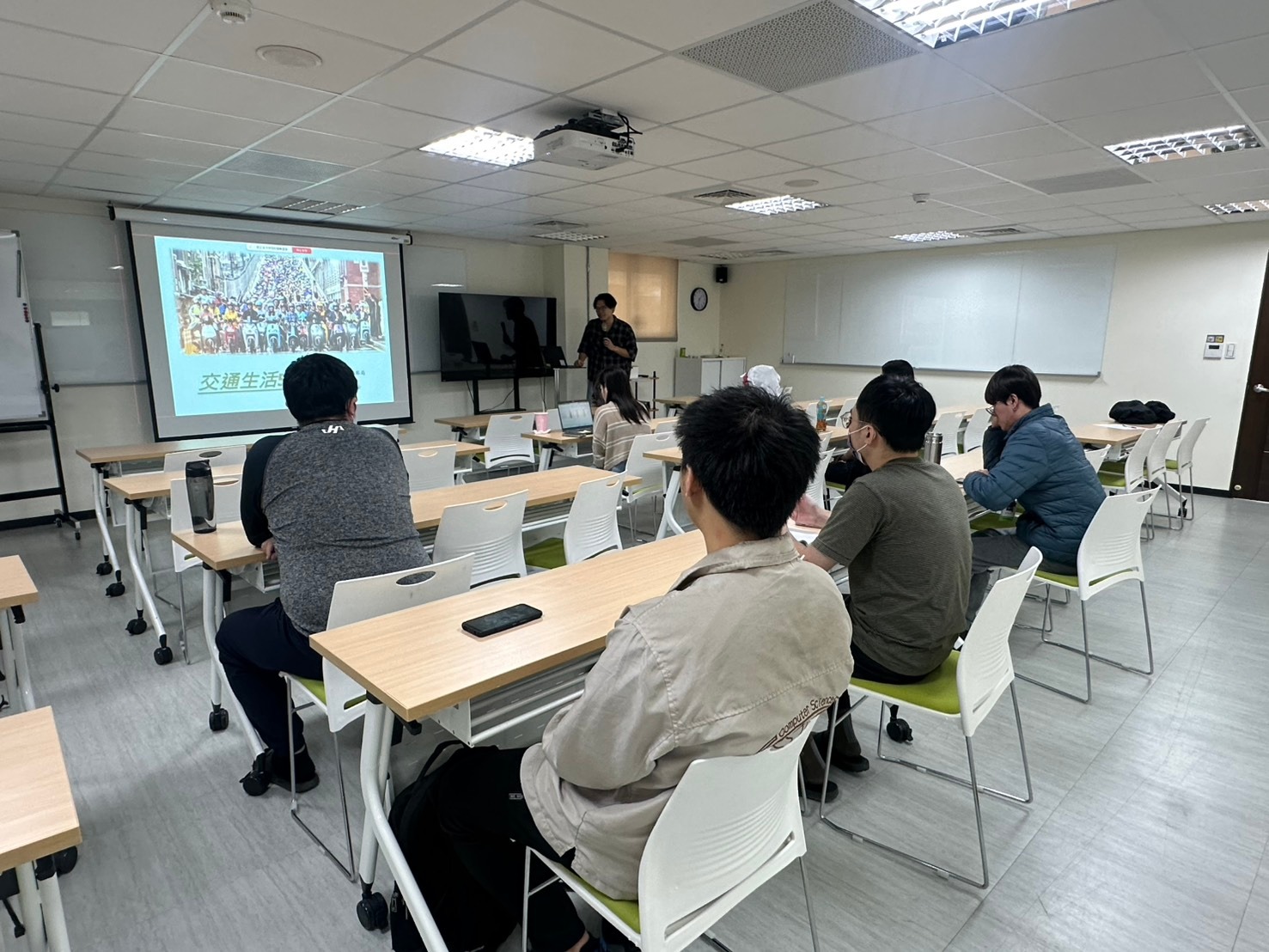
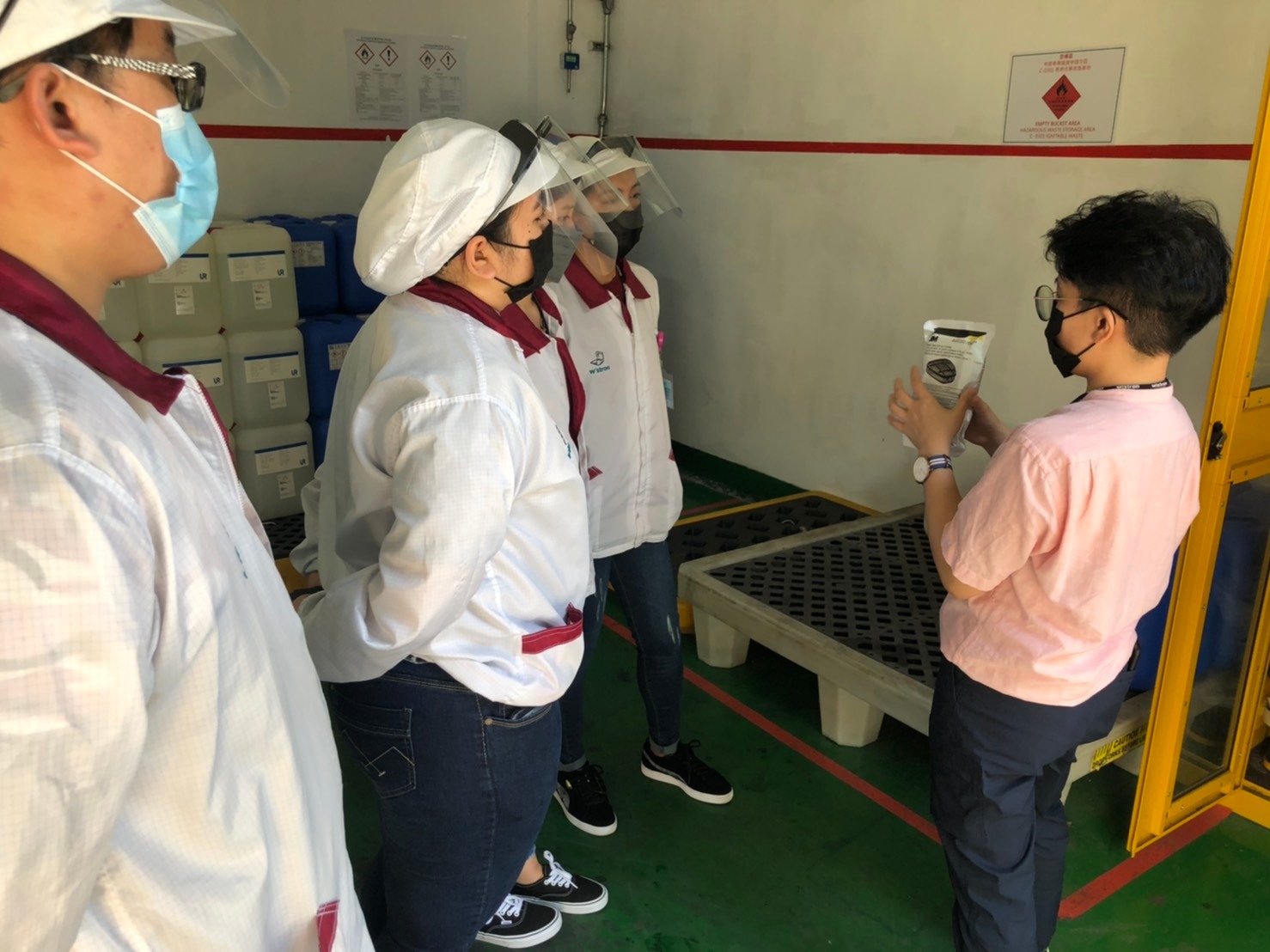
- Safety and health education and training for new employees
- Special hazard or first aid trainings for specific operators
- Annual OHS Management System officer training program
- Health seminars and speeches from experts to answer employees' health questions
|
Emergency Response
|
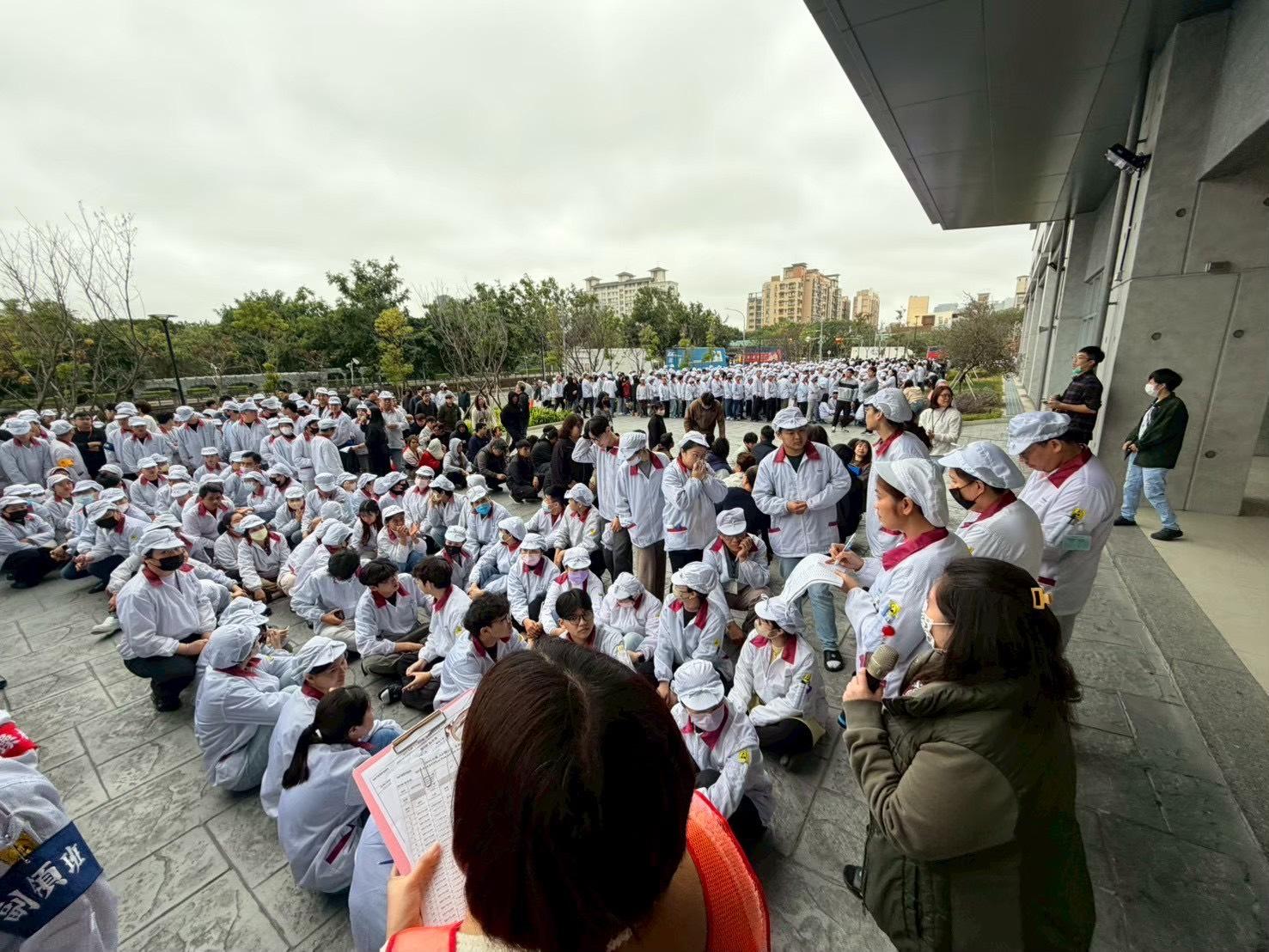
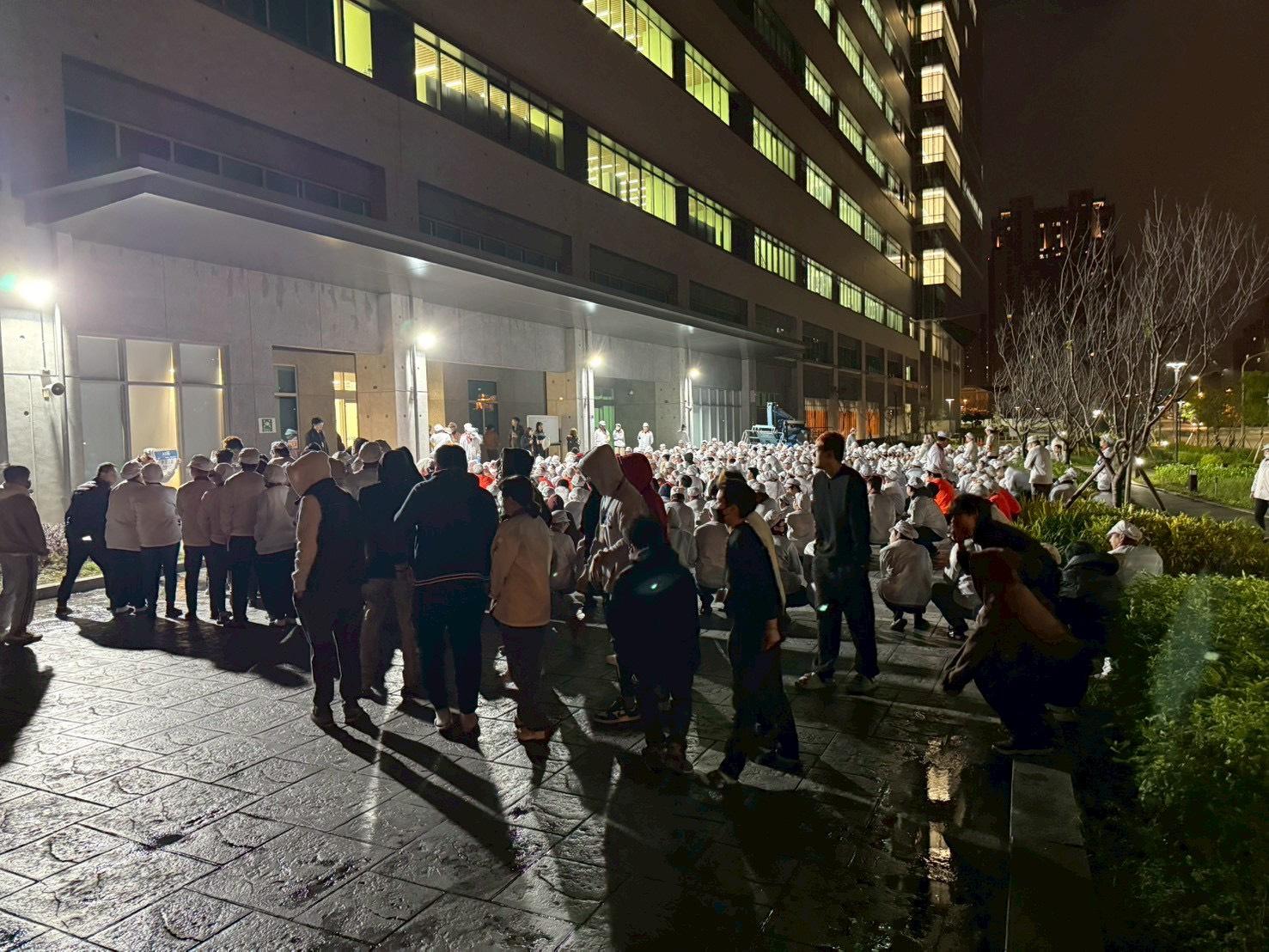
- In 2025, a total of 12 courses have been arranged for multi-scenario escape and evacuation simulation drils (daytime/nighttime, earthquakes, and fire disasters)
- In 2025 a total of 61 response drills have been arranged for infrastructure emergencies (fire safety and elevators)
- In 2025, a total of 54 courses have been arranged for emergency first aid and responders training
|
Protection measures
|
- Rigorous application and control regulations for specific operators (e.g., soldering, usage of chemicals, and loud environments) and formulation of corresponding control plans or measures according to risk assessment
- Continuous improvement of occupational safety and health management systems
- Require the use of personal protection equipment
|
Supplier Management
|
- When new suppliers are introduced, the Company verifies that they meet the basic requirements for occupational safety and health management system certification
- Regular supplier audits include items on occupational safety and health management
|
Internal audit
|
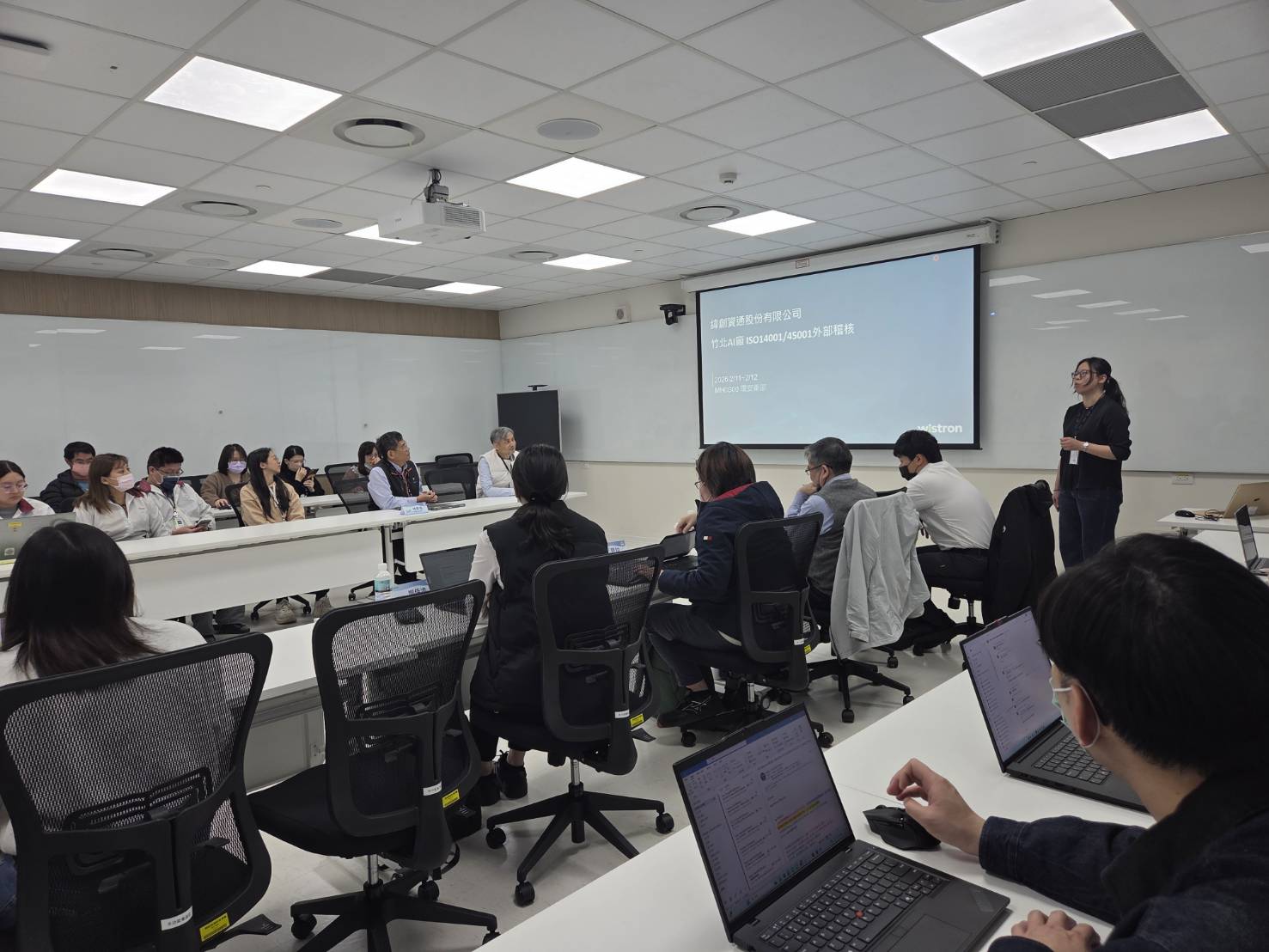
- Regular internal audits at least once a year for timely improvement measures against non-conformities; audit reports provided to relevant management units
- The table below summarizes the key audit findings and corresponding improvement priorities identified between 2022 and 2025
|
Internal Audit
Education and Training on Occupational Safety and Health
To ensure employees fully understand Wistron’s occupational safety and health regulations and management system, and are equipped to respond to hazards and accidents, we conduct annual audits involving on-site inspections and verification activities. Additionally, all new employees are required to undergo general introductory education courses, such as Responsible Business Alliance (RBA) training. For employees in specific job positions where unique hazards may occur, Wistron will continue to provide tailored specialized training. This includes emergency rescue drills at the Hsinchu plant and energy response drills at the Zhongshan plant, which focus on strengthening employee safety awareness and validating the safety of the working environment. In 2025, a total of 271,712 individuals completed training, accumulating 276,382 training hours. Each plant conducts regular emergency response training to ensure familiarity with processes. This ensures the effectiveness of organizational disaster recovery mechanisms and reduces false alarms. In 2025, there were 54 reported cases. For historical data, please refer to the section on internal near-miss incidents.
|
2023 |
2024 |
2025 |
| Training (people) |
200,106 |
153,659 |
271,712 |
| Training (hours) |
168,406 |
151,447 |
276,382 |
Hazardous Substance Management
Trained and qualified professionals are tasked with overseeing the management of hazardous chemicals used in manufacturing processes. Comprehensive controls are in place for the procurement, handling, storage, and use of hazardous chemicals. In 2025, environmental initiatives at manufacturing sites focused primarily on reducing environmental impacts through planned process improvements. In addition, annual occupational safety and health training programs provide operational training, emergency response procedures, and knowledge development. Safety Data Sheets (SDSs) are prominently displayed for easy reference, enabling personnel to respond effectively in the event of an emergency.
Workplace Hazard Identification and Risk Assessment
Trained and qualified personnel are responsible for conducting task-related hazard identification and applying quantified risk factors as the basis for risk assessment. Following review by the occupational safety and health management unit, risk levels are established, and operational controls and improvement objectives for hazard risks are defined. These are tracked regularly within the occupational safety and health management system to ensure potential occupational hazards are consistently eliminated from the workplace.
In the event of an immediate and dangerous emergency during any operation, employees are authorized to assess the situation based on the severity of the danger present and then determine whether to cease operations or take necessary protective measures before evacuating without adverse consequences. In 2025, Wistron continued to manage this occupational safety risk indicator (facility incident rate ≤1.14‰) as a medium- to long-term performance target. Through planned training programs and periodic inspection mechanisms, the Company effectively monitored and tracked site indicators on a monthly basis to reduce the likelihood of risk occurrence, and no related risks were identified in 2025.
Most medium-to-high-risk items involve injuries caused by improper actions during routine operations involving mechanical equipment. To mitigate these risks, employees receive additional training to ensure the proper use of personal protective equipment and to review work procedures, thereby reducing the likelihood of incidents.
| Risk level |
Work Category |
Control Measures |
| Medium / High |
General operations (manufacturing processes/equipment), hazardous operations (e.g., hot work) |
Training, inspections, emergency drills, and workflow reviews |
| Low |
General operations (daily office work) |
Training, inspections, emergency drills |
Voluntary Reporting of Near Miss Incidents
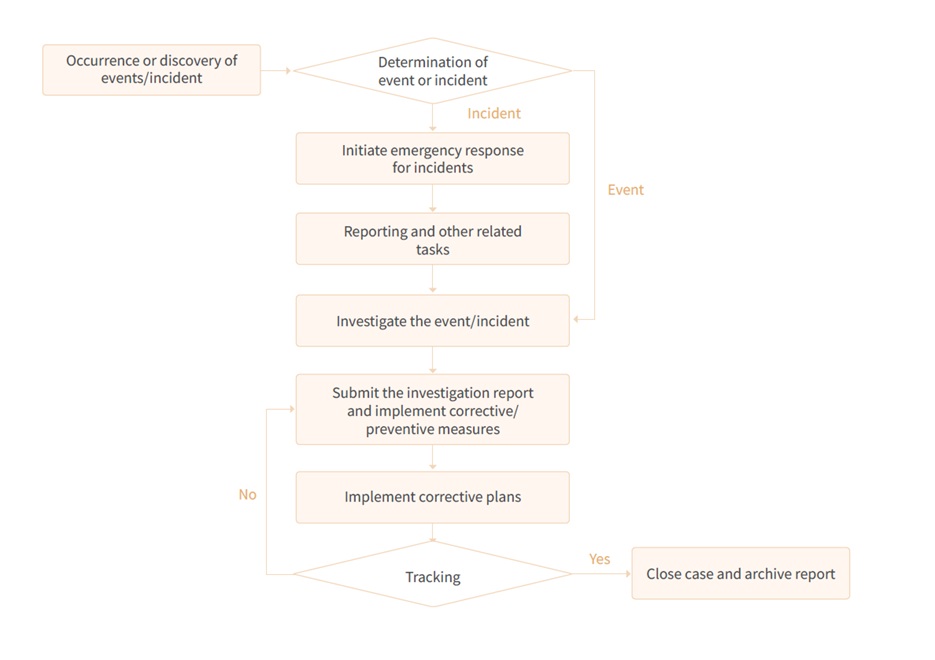
Wistron has SOPs in place for near-miss incidents, such as fires, power outages, or earthquakes. They are reported to the responsible units in accordance with the Incident Response and Investigation Management Procedures to verify whether an incident has occurred, conduct investigations, track events, and promote safety and health. Where no significant property damage or casualties have occurred, the event is recorded in the near-miss incident log, submitted for approval, and retained for reference. The Company analyzes the causes, formulates corrective and preventive measures, evaluates the effectiveness of these measures, and continues to monitor improvement efforts.
To minimize delays in communication, Wistron continues to strengthen its digital communication platforms through AI applications, including Columbus, Wistron’s internal knowledge platform. By integrating a smart assistant module, the platform provides employees with Q&A services. Additionally, internal communication procedures are in place to facilitate quick reporting of any emergencies or near-miss incidents.
In 2025, there were a total of 54 near-miss incidents. The majority of near-miss incidents were caused by equipment and facility malfunctions or negligence, such as false fire alarms. Prompt action and subsequent measures were taken to verify the functionality of related equipment and enhance inspection procedures, respectively. Specific maintenance precautions are also included to prevent similar incidents in the future.
Accident Investigation
When an employee or a contractor experiences a work safety incident, Wistron will investigate the incident and track progress in accordance with the Accident Response and Investigation Management Procedures. Then, we will determine damage conditions and occupational injuries based on the accident. After the accident investigations are completed, the Company is required to submit the results and carry out response measures for the designated supervisory unit to oversee and track to reduce losses and prevent similar situations in the future.
Data on Occupational Hazards & Injuries
Wistron identifies occupational safety and health issues with potential risks by analyzing data on occupational hazards and injuries, which guides the formulation of specific action plans to improve workplace safety and reduce work-related injuries. Work-related injury statistics for Wistron employees and non-employee workers in 2025 are shown in the table below. Each plant reports detailed information on work injuries by month, as well as monitoring and tracking by designated personnel to ensure they stay informed about work injury management.
The tables below are compiled based on legal reporting requirements, with a focus on recording injuries. The definition of severe occupational injuries follows government regulations. We have not received any reports on occupational diseases. In terms of managing non-employee workers, all Wistron plants comply with local regulations in managing on-site personnel and subcontractors. Through vendor selection and contractor management, Wistron assesses and standardizes operational standards for suppliers to achieve our expected results from OHS management systems. In 2025, no significant violations (defined as violations with ≥NT$1M fines) occurred in the management of subcontractors.
In 2025, the lost workday rate among employees in Taiwan increased compared with the previous year, primarily because employees were unfamiliar with traffic routes and commuting patterns following the relocation of the Hsinchu/Hukou sites, resulting in a higher number of commuting-related traffic accidents. Administrative units continued to strengthen communication on traffic safety through bulletin boards and introduced safety awareness sessions and traffic-reduction measures (such as shuttle bus services). In Asia (excluding Taiwan), the lost workday rate decreased compared with the previous year. Most occupational injuries were minor injuries, and the Company responded by reviewing standard operating procedures and strengthening foundational training. In Europe and the United States, the lost workday rate increased compared with the previous year, primarily due to mechanical injuries caused by improper handling. In response, Wistron strengthened employee training, reviewed standard operating procedures, and ensured that employees properly wore protective equipment to prevent injuries.
Employee Absence Rate
Note 1 : Absence Rate: Number of absent days/Number of days to work*100. The number of days to work: refers to the number of working days.The number of working days is the sum of the total annual working days of each plant around the world.
Note 2: Absent days include work injuries and sick leave (Sick leave excludes leave taken due to the pandemic).
Note 3: The target value of absenteeism rate in 2025 was set at 0.85 (set to not exceed the average value of the previous three years).
Occupational Injury Statistics of Employees
Occupational Injury Statistics of Workers Other Than Employees
| Statistics of Disabling Injuries |
Taiwan |
Asia (excluding Taiwan) |
Europe and Americas |
| Year |
2022 |
2023 |
2024 |
2025 |
2022 |
2023 |
2024 |
2025 |
2022 |
2023 |
2024 |
2025 |
| Total Work Hours |
22,693,604 |
23,387,274 |
24,500,263 |
26,870,760 |
102,076,209 |
65,965,432 |
67,207,272 |
88,710,468 |
17,697,391 |
5,195,678 |
8,337,833.3 |
11,632,325 |
| Main Category of Occupational Injury |
Traffic accident |
Traffic accident |
Traffic accident/Fall |
Traffic accident/Cuts |
Traffic accident |
Machine-related injury |
Machine-related injury |
Machine-related injury/Sprains |
Machine-related injury |
Machine-related injury |
Machine-related injury |
Machine-related injury/Sprains |
| Falls |
| Number of work-related injury cases |
75 |
73 |
73 |
126 |
43 |
21 |
20 |
58 |
30 |
18 |
97 |
87 |
| Occupational Injury Rate |
0.66 |
0.62 |
0.60 |
0.94 |
0.08 |
0.06 |
0.06 |
0.13 |
0.34 |
0.69 |
2.33 |
1.47 |
| Number of Severe Occupational Injury Cases |
0 |
0 |
0 |
0 |
0 |
0 |
0 |
0 |
0 |
0 |
0 |
0 |
| Severe Occupational Injury Rate |
0.00 |
0.00 |
0.00 |
0.00 |
0.00 |
0.00 |
0.00 |
0.00 |
0.00 |
0.00 |
0.00 |
0.00 |
| Occupational Disease Rate |
0.00 |
0.00 |
0.00 |
0.00 |
0.00 |
0.00 |
0.00 |
0.00 |
0.00 |
0.00 |
0.00 |
0.00 |
| Lost Day Rate |
4.73 |
6.85 |
4.74 |
9.56 |
3.53 |
4.97 |
3.03 |
2.23 |
0.69 |
12.59 |
16.89 |
24.59 |
| Total Number of Work-Related Fatalities |
0 |
0 |
0 |
0 |
0 |
0 |
0 |
0 |
0 |
0 |
0 |
0 |
- Note1 : Occupational injury rate (IR): (Number of occupational injury incidents/total work hours) * 200,000 (Calculation for light injuries: Only Czech/Malaysia/Mexico/Philippines/U.S. Plants include light injuries in their IR, all other plants exclude light injuries).
- Note2 : Severe occupational injury rate IR: (Number of severe occupational injury / Total work hours) × 200,000 .(Calculation for severe injuries :the complete loss or loss of function of any part of the body in the accident ,exclude the number of fatalities).
- Note3 : Occupational Disease Rate (ODR): (Total occupational disease cases/total work hours) * 200,000.
- Note4 : Lost Day Rate (LDR): (Number of lost days due to work-related injuries / total work hours) × 200,000 (All sites calculate lost days based on scheduled working days).
- Note5 : In the Czech Republic, employees may visit doctors during work hours (unlimited visits covering journey time as well), and they may also stay at home to rest for a longer period of time when sick.
- Note6 :Scope: All full-time employees.
- Note7 : According to corporate ESG information disclosure regulations and the definition of relevant occupational accident data of TWSE, the percentage of occupational accidents is 0.054%.
| Statistics of Disabling Injuries |
Taiwan |
Asia (excl. Taiwan) |
Europe & Americas |
| Year |
2022 |
2023 |
2024 |
2025 |
2022 |
2023 |
2024 |
2025 |
2022 |
2023 |
2024 |
2025 |
| Number of people |
190 |
221 |
233 |
303 |
2,165 |
1,718 |
1,779 |
683 |
648 |
234 |
479 |
761 |
| Total Work Hours |
394,284 |
421,882 |
483,986 |
587,413 |
6,750,594 |
3,709,626 |
3,294,392.9 |
2,763,113 |
205,123 |
606,000 |
1,037,094 |
1,601,200 |
| Main Category of Occupational Injury |
None |
None |
None |
Traffic accident |
Fall injuries |
Pinch |
Machine-related injury |
Machine-related injury |
Falls |
Cut |
Machine-related injury |
Cut |
| Number of work-related injury cases |
0 |
0 |
0 |
1 |
5 |
1 |
3 |
9 |
1 |
1 |
6 |
18 |
| Occupational Injury Rate |
0 |
0 |
0 |
0 |
0.15 |
0.05 |
0.18 |
0.65 |
0.98 |
0.33 |
1.16 |
2.25 |
| Number of Severe Occupational Injury Cases |
0 |
0 |
0 |
0 |
0 |
0 |
0 |
0 |
0 |
0 |
0 |
0 |
| Severe Occupational Injury Rate |
0.00 |
0.00 |
0.00 |
0.00 |
0.00 |
0.00 |
0.00 |
0.00 |
0.00 |
0.00 |
0.00 |
0.00 |
| Occupational Disease Rate |
0.00 |
0.00 |
0.00 |
0.00 |
0.00 |
0.00 |
0.00 |
0.00 |
0.00 |
0.00 |
0.00 |
0.00 |
| Lost Day Rate |
0 |
0 |
0 |
1.36 |
0.83 |
0.02 |
0.61 |
0.80 |
68.75 |
0.17 |
18.9 |
2.57 |
| Total Number of Work-Related Fatalities |
0 |
0 |
0 |
0 |
0 |
0 |
0 |
0 |
0 |
0 |
0 |
0 |
- Note: Scope of the number of people in the survey as of December 31: Work personnel of plants: security guards, cleaners, kitchen/cafeteria personnel, and others (long-term onsite operators and specialists)



.jpg)